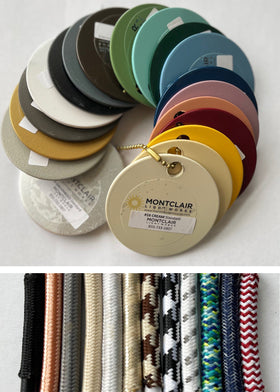
If you're planning a home refresh, a renovation, or simply wondering whether your current lighting feels dated, you've landed in the right place. The lighting world in 2026 looks noticeably different from just a few years ago — bolder color choices, a renewed appetite for craftsmanship, and a clear move away from the sterile all-chrome-and-white interiors that defined the 2010s.
This guide breaks down exactly what's gaining traction in residential and commercial lighting design right now: the fixture styles, the metal finishes, the color palettes, and the practical buying decisions that will keep your space feeling current and considered for years to come.
Table of Contents
- The Big Picture: What's Driving 2026 Lighting Trends
- Trending Fixture Styles in 2026
- Finish Trends: Beyond Chrome and Brushed Nickel
- Color Is Back — And It's Staying
- Where to Use Trending Fixtures: Room-by-Room Guide
- How to Mix Metals Without Making a Mess
- Buying Guide: What to Look for Before You Purchase
- Key Takeaways
- FAQs
The Big Picture: What's Driving 2026 Lighting Trends
A few things are converging to shape modern lighting trends this year. Material costs, a broader cultural swing toward individuality, and the slow death of the "safe and neutral" interior aesthetic are all pushing designers and homeowners toward bolder, more specific choices.
The dominant theme? Purposeful distinctiveness. People are less interested in picking something that "goes with everything" and more focused on finding fixtures that actually say something — about the space, the homeowner, or the mood they want to create.
There's also growing appreciation for made-in-USA craftsmanship. Supply chain disruptions over the past few years nudged a lot of buyers and designers toward domestic manufacturers, and many of them haven't looked back. Quality control is easier to verify, lead times are shorter, and there's a real satisfaction in knowing where your fixture was made.
If you're planning to update your interiors this year, now is the perfect time to shop our 2026 best sellers and discover the styles homeowners and designers are gravitating toward most.
Trending Fixture Styles in 2026
Pendant Lights: Organic Shapes Take the Lead
Pendant lighting has been a design staple for decades, but the shapes getting the most attention in 2026 have moved away from the ultra-geometric toward something more organic and hand-crafted in feel. Dome shapes remain popular — they're functional, directional, and visually clean — but the details have gotten more interesting. Think irregular lips, layered shades, and multi-scale proportions.
Oversized pendants used as singular statements over kitchen islands or dining tables are still very much in play. The key shift is that homeowners are selecting one large, character-rich fixture rather than a row of smaller, identical ones.
Explore pendant lighting options →
Wall Sconces: The Rise of the Sculptural Wall Light
Wall sconces are having a genuine moment, and it's not hard to see why. They add warmth and dimension to a room without competing with ceiling fixtures, and they work in spaces where overhead lighting just isn't practical — hallways, reading nooks, bedrooms, and entryways.
The styles getting traction in 2026 lean into deliberate arm design: gooseneck curves, swing arm functionality, and clean straight-arm silhouettes that reference mid-century industrial aesthetics without being a literal replica. The RLM (Reflector, Lamp, and Metalwork) style — that classic barn-shade silhouette — continues to show up in both residential and hospitality design because it ages well and works across a surprising range of interior styles.
If you're looking to embrace one of the biggest trends this year, explore wall sconces for 2026 that combine sculptural form with everyday practicality.
Flush Mounts: Elevated Basics
Flush and semi-flush mounts have long been the "whatever fits" choice for rooms with low ceilings. That's changing. Designers are treating flush mounts with the same intentionality as pendants, selecting shapes and colors that actively contribute to a room's character rather than just providing light.
Geometric flush mounts in non-neutral finishes are particularly popular — a navy blue dome in a white hallway, for example, or a fern green disc in a laundry room. These fixtures punch above their size class when color and form are chosen thoughtfully.
See flush mount lighting →
Gooseneck Lights: Industrial Heritage, Modern Appeal
Originally designed for commercial signage and barn applications, gooseneck wall lights have crossed firmly into residential design territory. Their appeal is partly aesthetic — the curved arm creates natural visual interest — and partly functional, since they direct light very precisely.
In 2026, gooseneck lights show up in kitchens (flanking range hoods), on exterior facades (above garage doors and entryways), and even in bedrooms as architectural reading lights. The industrial heritage is part of the appeal, not something to design around.
Browse gooseneck wall lights →
Finish Trends: Beyond Chrome and Brushed Nickel
The dominance of chrome and brushed nickel has softened considerably. Neither is going anywhere, but they no longer function as the default starting point for most spaces. Here's what's gaining ground:
Architectural Bronze
Architectural bronze — a deep, warm, slightly matte tone — is the finish equivalent of a well-worn leather jacket. It reads as sophisticated without trying too hard, and it pairs naturally with warm wood tones, terracotta, and deep greens. It's replaced polished brass as the warm-metal-of-choice for many designers because it's more forgiving and less trend-dependent.
Matte Black (Still Going Strong)
Matte black never really left, but its application has become more considered. Rather than outfitting an entire space in black fixtures, designers are using matte black selectively — one statement piece, or a deliberate pairing with a warmer metal elsewhere. The satin finish variant adds subtle depth and reflects light just enough to feel intentional rather than flat.
Mixed Metals: Intentional Contrast
One of the clearest 2026 lighting trends is the embrace of mixed metals within a single fixture or across a space. Silk gray paired with brushed brass accents, for example, creates warmth and sophistication in a way that neither metal could achieve alone. The key word is intentional — the contrast should feel designed, not accidental.
Painted Finishes: The Return of Color to Metal
This is perhaps the most significant shift in recent years. Powder-coated color finishes on metal fixtures are being embraced not just in children's rooms or casual spaces, but across the whole home. Navy, forest green, barn red, terracotta, mauve — these finishes are showing up in primary living spaces, kitchens, and even master bedrooms.
Explore available finish options →
|
Finish Type
|
Best For
|
Pairs Well With
|
|
Architectural Bronze
|
Living rooms, kitchens, exteriors
|
Warm wood, terracotta, deep greens
|
|
Matte/Satin Black
|
Modern, industrial, minimalist spaces
|
Concrete, white oak, marble
|
|
Brushed Brass
|
Transitional, warm contemporary
|
Cream, ivory, warm neutrals
|
|
Painted Color
|
Statement pieces, accent fixtures
|
Complementary wall colors, neutrals
|
|
Mixed Metals
|
Layered, eclectic spaces
|
Almost anything, if intentional
|
Color Is Back — And It's Staying
If there's one lighting trend in 2026 that deserves its own section, it's the return of genuine color to light fixtures. Not accent color. Not a single teal pendant in an otherwise all-white kitchen. Real, committed color — across multiple fixtures, or as a dominant visual element in a room.
Earth Tones: Moss, Terracotta, Clay
Grounded, nature-inspired colors are particularly resonant right now. Moss green, terracotta, and clay tones feel simultaneously earthy and sophisticated. They're warm without being loud, and they complement both traditional and contemporary interiors. A clay-colored pendant over a wood dining table, for instance, creates a sense of organic cohesion that crisp white fixtures simply can't.
Coastal Blues: Navy and Light Blue
Navy has been building momentum for several years and shows no sign of retreating. Its depth makes it work in spaces where lighter blues might feel washed out. Light blue — closer to a soft sky tone — reads fresher and more casual, making it a natural choice for covered porches, laundry rooms, and relaxed kitchen environments.
Bold Statement Finishes: Vermillion, Bright Yellow, Barn Red
For those willing to commit, fixtures in vermillion, bright yellow, and barn red are genuine room-makers. These aren't accents — when you hang a barn red gooseneck on an exterior wall or a bright yellow pendant over a kitchen island, the fixture becomes a focal point, full stop. It takes confidence, but the payoff is a space that's unmistakably yours.
New Neutrals: Mauve, Silk Gray, Ivory
Not everyone wants to lead with color, and there's a growing palette of "new neutrals" filling the gap between stark white and conventional gray. Mauve sits in a warm pink-gray territory that reads as contemporary and slightly unexpected. Silk gray has a softness that standard gray lacks. Ivory is warmer and less clinical than white. These finishes work as the quiet backbone of a layered interior.
Where to Use Trending Fixtures: Room-by-Room Guide
Kitchen
Pendant lighting over islands continues to be the dominant kitchen lighting statement. In 2026, the move is toward single oversized pendants or pairs of dome-style fixtures with character finishes — architectural bronze, navy, or deep green. Gooseneck wall lights flanking a range hood are a growing alternative to under-cabinet strips.
Dining Room
The dining room is where you can afford to be most bold. An oversized pendant or multi-light configuration centered over the table sets the entire room's tone. This is the space to try a color you wouldn't commit to elsewhere — deep forest green, vermillion, or a rich architectural bronze.
Living Room
Wall sconces are doing significant work in living rooms right now, primarily because they add ambient warmth that ceiling-focused lighting can't replicate. Swing arm sconces on either side of a sofa or flanking a fireplace create the kind of layered light that makes a room feel genuinely inviting.
Bedroom
Swing arm and curved arm wall lights are replacing bedside table lamps in many bedroom designs. They free up nightstand space, create a cleaner look, and offer precise directional control for reading. Finish choices here tend to be softer — ivory, silk gray, mauve — though matte black remains popular in modern bedroom aesthetics.
Exterior
Outdoor lighting trends in 2026 are tracking closely with interior ones: gooseneck styles for garage and barn doors, outdoor-rated sconces in bold colors for entryways, and stem-hung pendants for covered porches and outdoor dining areas. Color on the exterior is particularly impactful — a navy gooseneck on a white farmhouse facade, or barn red fixtures on a wood-clad exterior, requires very little else to make a statement.
Explore outdoor wall lighting options →
How to Mix Metals Without Making a Mess
Mixed metals are a clear 2026 lighting trend, but the execution matters. A few principles that hold up in practice:
Anchor with one dominant finish. Choose one metal that appears most frequently — say, matte black — and use one or two accent metals as supporting players. Brushed brass hardware against matte black fixtures, for example, creates warmth without visual chaos.
Let the room guide you. If your kitchen pulls hardware is in brushed brass, lean into warm metals. If you have stainless appliances, cooler tones like satin silver or architectural bronze will harmonize more naturally.
Keep the same tone family. Warm metals (brass, bronze, gold) and cool metals (chrome, silver, nickel) don't always play well together. Stick within one temperature range unless you're deliberately aiming for contrast.
One fixture, two metals. Some manufacturers now offer fixtures that combine two finishes within a single piece — silk gray with brushed brass accents, for instance. This is an elegant way to introduce mixed metals without coordination anxiety.
Buying Guide: What to Look for Before You Purchase
Before committing to any fixture, there are practical questions worth answering:
What's the ceiling height? Pendant drop length matters significantly. A pendant hung too high loses its visual impact; too low, and it becomes a hazard. As a rule, pendant bottoms in dining applications typically sit 28–34 inches above the table surface.
What bulb type does it take? Fixtures that accept standard medium-base bulbs give you flexibility as LED technology improves. Integrated LED fixtures offer efficiency and clean aesthetics but limit future upgradability if the LED module fails.
Is the fixture rated for its intended location? Outdoor fixtures need to be UL wet or damp rated depending on how exposed they'll be. Don't assume an indoor finish will hold up to exterior conditions.
Can you see the finish in person before buying? Finish photos, even excellent ones, don't always capture the real-world look of a color or surface. Many manufacturers offer finish sample sets — an inexpensive way to verify that navy really is the right navy, or that architectural bronze reads warm enough in your light conditions.
Is it made to order? Made-to-order fixtures often allow finish customization and more size options than off-the-shelf alternatives. If you're buying for a specific design scenario, this flexibility can be genuinely valuable.
Shop best-selling fixtures →
Key Takeaways
Here's a quick summary of what's defining modern lighting trends in 2026:
-
Color is a serious design tool, not just a novelty. Earth tones, coastal blues, and bold statement colors are all showing up in primary living spaces.
-
Architectural bronze has replaced polished brass as the go-to warm metal finish for sophisticated interiors.
-
Mixed-metal fixtures are gaining popularity as a way to add visual complexity without overcrowding a space.
-
Wall sconces are earning more design attention, particularly swing arm and gooseneck styles in bedroom and living room applications.
-
Gooseneck lights have crossed from commercial/agricultural use into mainstream residential design.
-
Flush mounts are being selected with the same care as pendants — color and form matter, not just function.
-
Made-to-order craftsmanship is increasingly valued, particularly among homeowners and designers who want something specific rather than something safe.
-
Finish samples before purchase remain the single most underrated step in the buying process.
FAQs
What are the most popular lighting fixture styles in 2026?
Pendant lights with organic dome shapes, gooseneck wall lights, and sculptural wall sconces are seeing the most design attention in 2026. There's also renewed interest in flush mounts when they're used with intentional color and form rather than as pure afterthoughts.
What metal finishes are trending in home lighting right now?
Architectural bronze, matte/satin black, and mixed-metal combinations are the dominant finish trends. Powder-coated color finishes — navy, forest green, terracotta, barn red — are also gaining serious traction across both interior and exterior applications.
Is colored lighting (fixtures with colored finishes) a lasting trend or a fad?
The move toward colored fixture finishes reflects a broader cultural shift toward individual expression in home design. Color in lighting has appeared cyclically throughout design history — it's not new. What's new is the range of colors available in high-quality powder coat finishes and the willingness of designers to use them in primary spaces rather than just accent rooms.
How do I choose the right pendant light height over a kitchen island?
The generally accepted guideline is to hang the bottom of the pendant 28–34 inches above the countertop surface. For higher ceilings, you can push toward the upper end of that range to maintain visual proportion. If you're using multiple pendants in a row, consistent height across all fixtures is more important than hitting any specific number.
What's the difference between a gooseneck light and a straight arm wall light?
A gooseneck wall light has a curved arm — typically an S-curve or J-curve — that positions the shade at a specific angle or projection from the wall. A straight arm wall light uses a horizontal arm that extends perpendicularly from the wall. Gooseneck styles direct light more precisely and have stronger industrial character; straight arm styles are cleaner and more architectural in feel.
Can I use indoor pendant lights outdoors on a covered porch?
Not reliably. Covered porches are typically classified as "damp locations" by electrical codes, which requires fixtures that are at minimum UL damp-rated. Fully exposed outdoor areas require UL wet-rated fixtures. Using an indoor fixture in an outdoor location — even a covered one — can void warranties and create safety risks over time.
How do I mix different metal finishes without the result looking chaotic?
Start with one dominant metal that appears most frequently in the space, then introduce a secondary metal as an accent — in hardware, fixture details, or decorative elements. Keeping both metals within the same temperature range (warm or cool) makes the combination more cohesive. If you're uncertain, single fixtures that incorporate two metals are a low-risk way to test the combination before committing to a full-room approach.
Montclair Light Works designs and manufactures lighting in the US, with a wide range of customizable finishes and fixture styles for both interior and exterior applications. Explore our full lighting collection or get a sample set to see colors in person before you buy.